What if I told you the games your children love most can teach them skills just as powerful as their school lessons?
Here are 10 ways play supercharges their learning.
When we plead that you allow your children or learners to play, many parents worry that we emphasise play over learning. They forget that play is also a form of education, which builds and amplifies some skills in their children.
This is why we always emphasise that play is not a break from learning, but learning itself. It is also an important tool that prepares them for the future of work.
If you ever wondered how play helps children grow, both inside and outside the classroom, let’s quickly look at these:
1. Play boosts creativity and imagination. When children build, draw, or act out roles, they not only play but also learn to think beyond the obvious and discover new ways to solve problems.
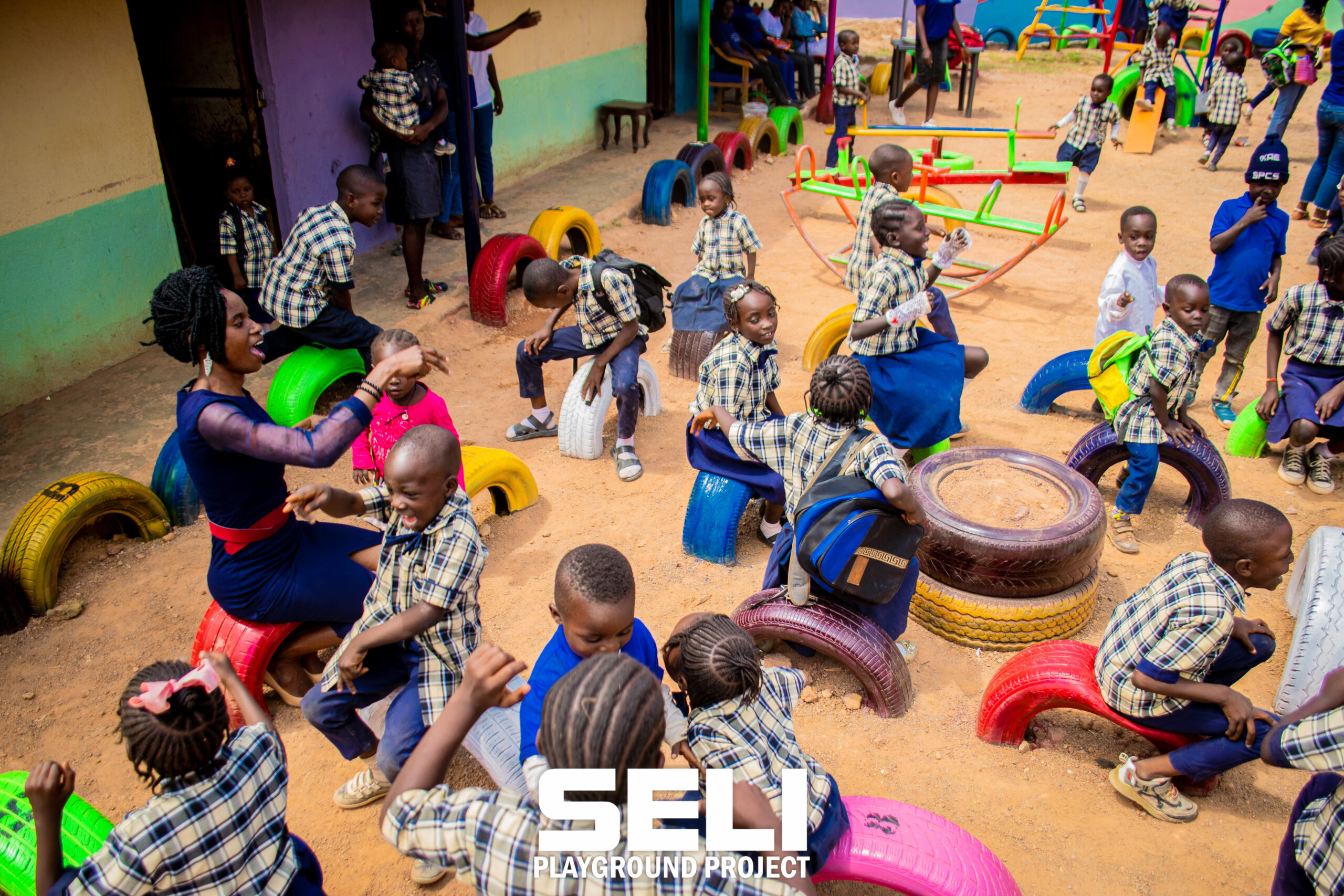
2. Play strengthens social skills. I love this for obvious reasons. Play encourages social interactions in groups, which helps children to share, take turns, negotiate, and work as part of a team. These are skills they will use all their lives. They’ll work with friends, colleagues, and acquaintances.
3. Play fosters communication. When children play, they communicate in various forms. Whether it is storytelling, role play, or games, children learn new words, practice listening, and express their ideas clearly.
4. Play develops critical thinking. As children play, they’re able to figure out complex issues. Whether it is fixing puzzles or even creating new rules for a game. This teaches them how to reason, make choices, and adapt when things do not go as planned.
5. Play improves focus and concentration. Have you seen a child engrossed in play? You’ll agree that they have a fixed focus and sense of direction. Engaging in activities that capture children’s interest helps them stay with a task longer, a skill that later supports academic learning. Because, how do you learn without focus?
6. Play encourages emotional resilience. Have you watched children play? You’d notice they build resilience against internal and external pressures. Through winning, losing, or starting over, they learn to manage disappointment and develop the courage to try again.
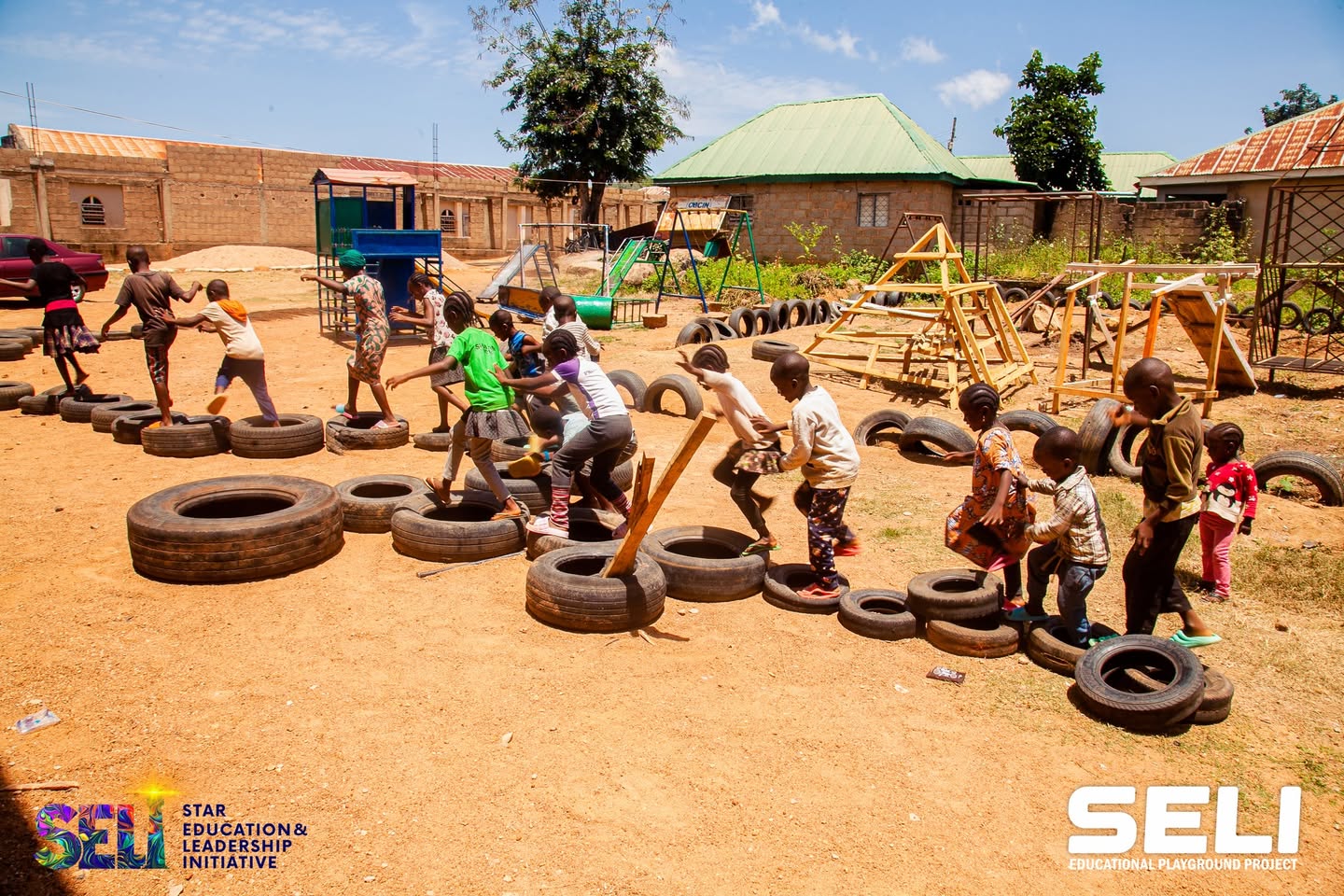
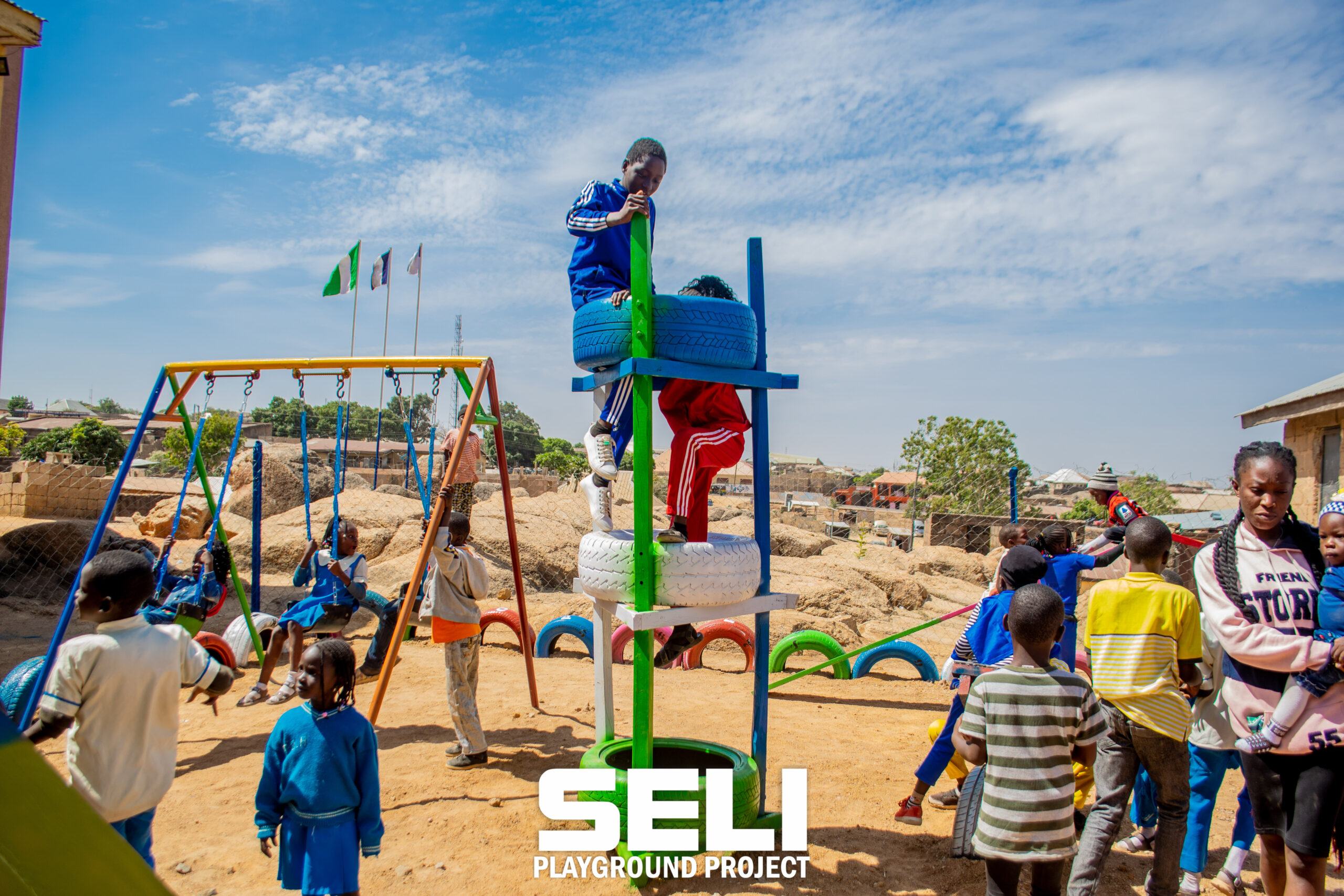
7. Play enhances physical development. Play helps children meet their developmental milestones and improves their health and physical development. Running, climbing, and active games build coordination, balance, and strength, while also promoting healthy growth.
8. Play stimulates curiosity and exploration. Children naturally ask questions and test ideas during play, which builds a love for discovery and lifelong learning. This is why you should allow them to play. They’re exploring and building.
9. Play fosters confidence and independence. When children make choices in play, they begin to trust their own abilities and grow in self-belief.
10. Play connects learning to real life. Concepts that may seem abstract in the classroom become real and memorable when children experience them through play.
Allow your children to play. Allow them to learn. Allow them to play to learn.
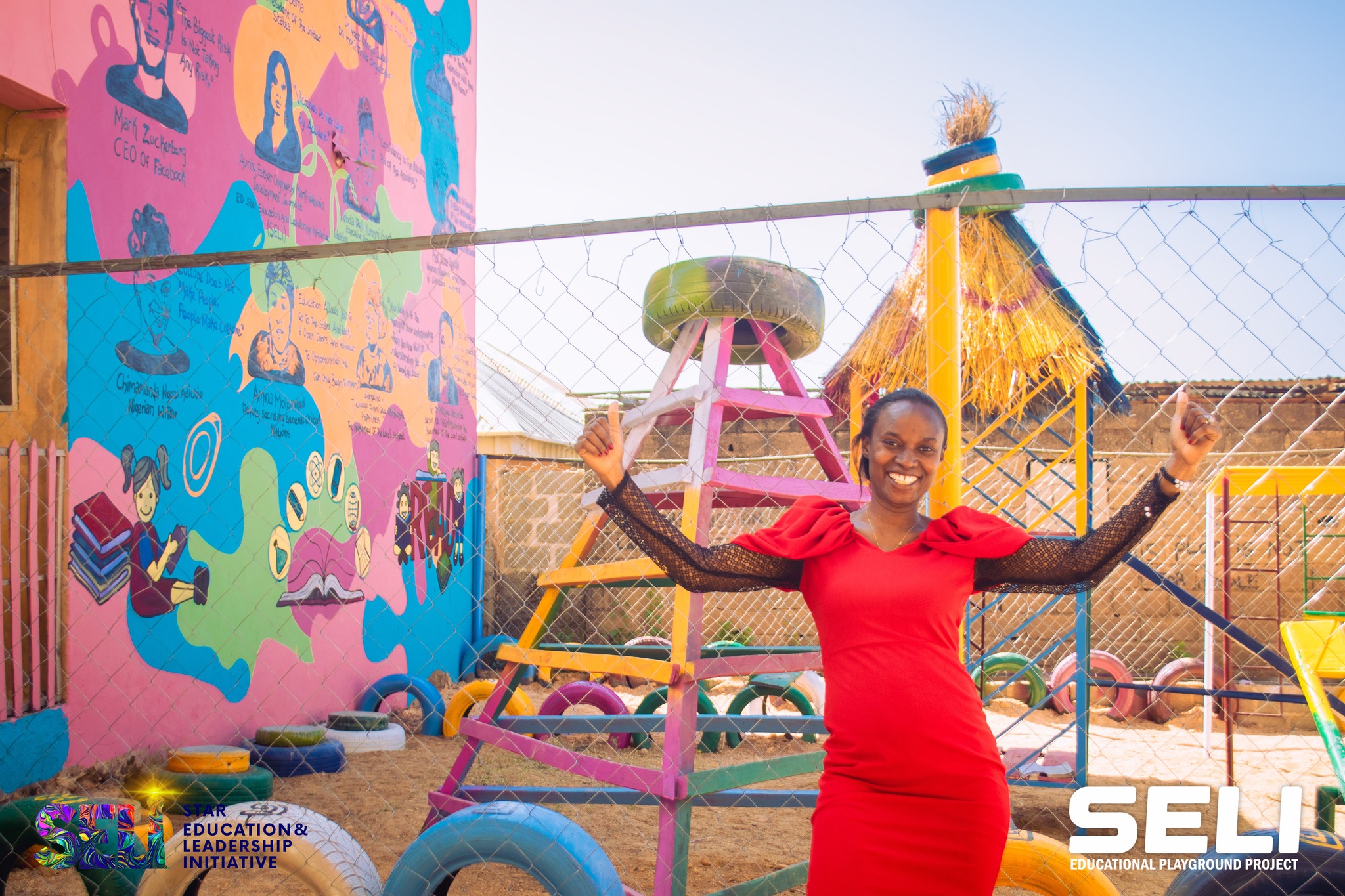
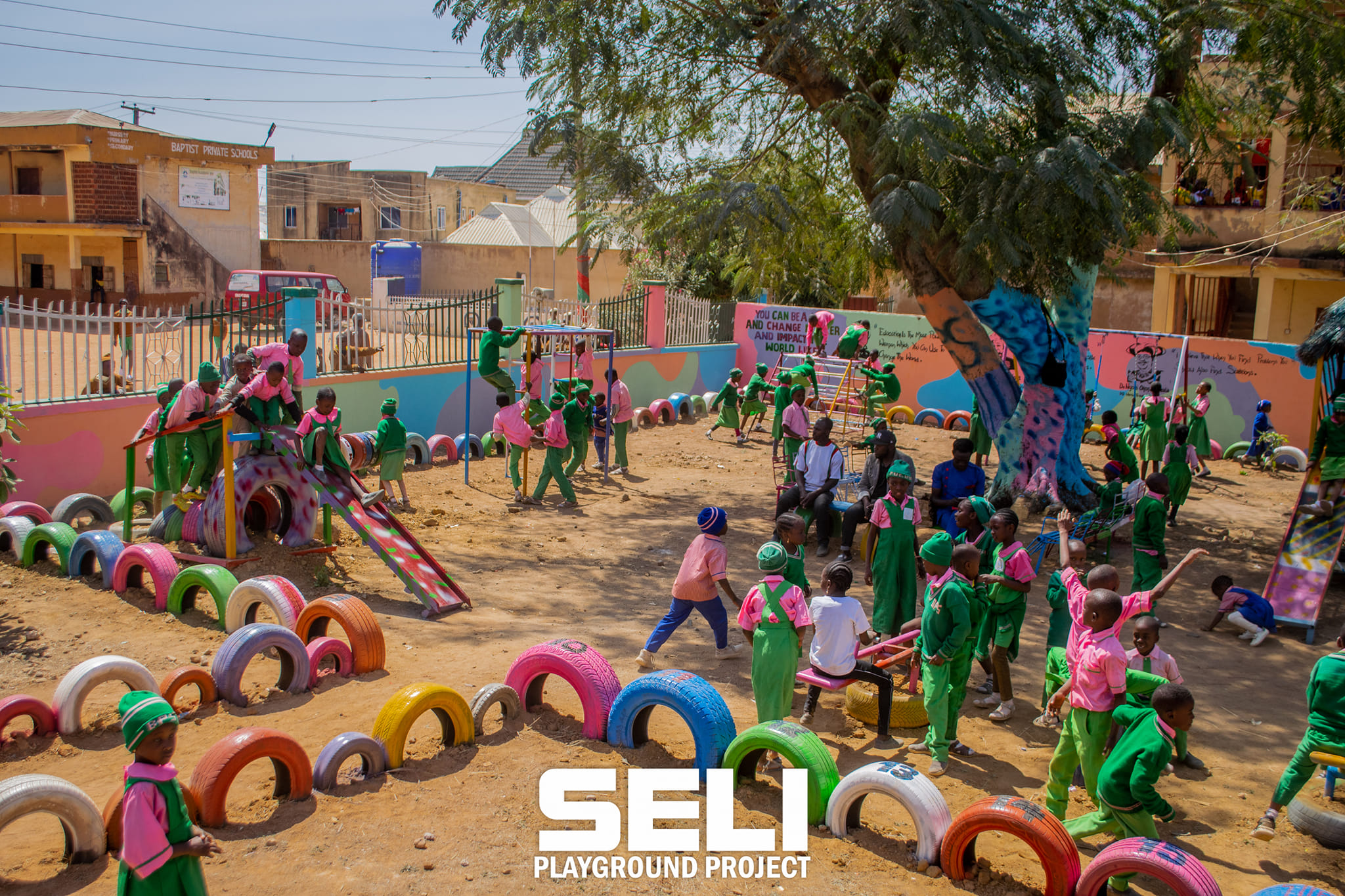
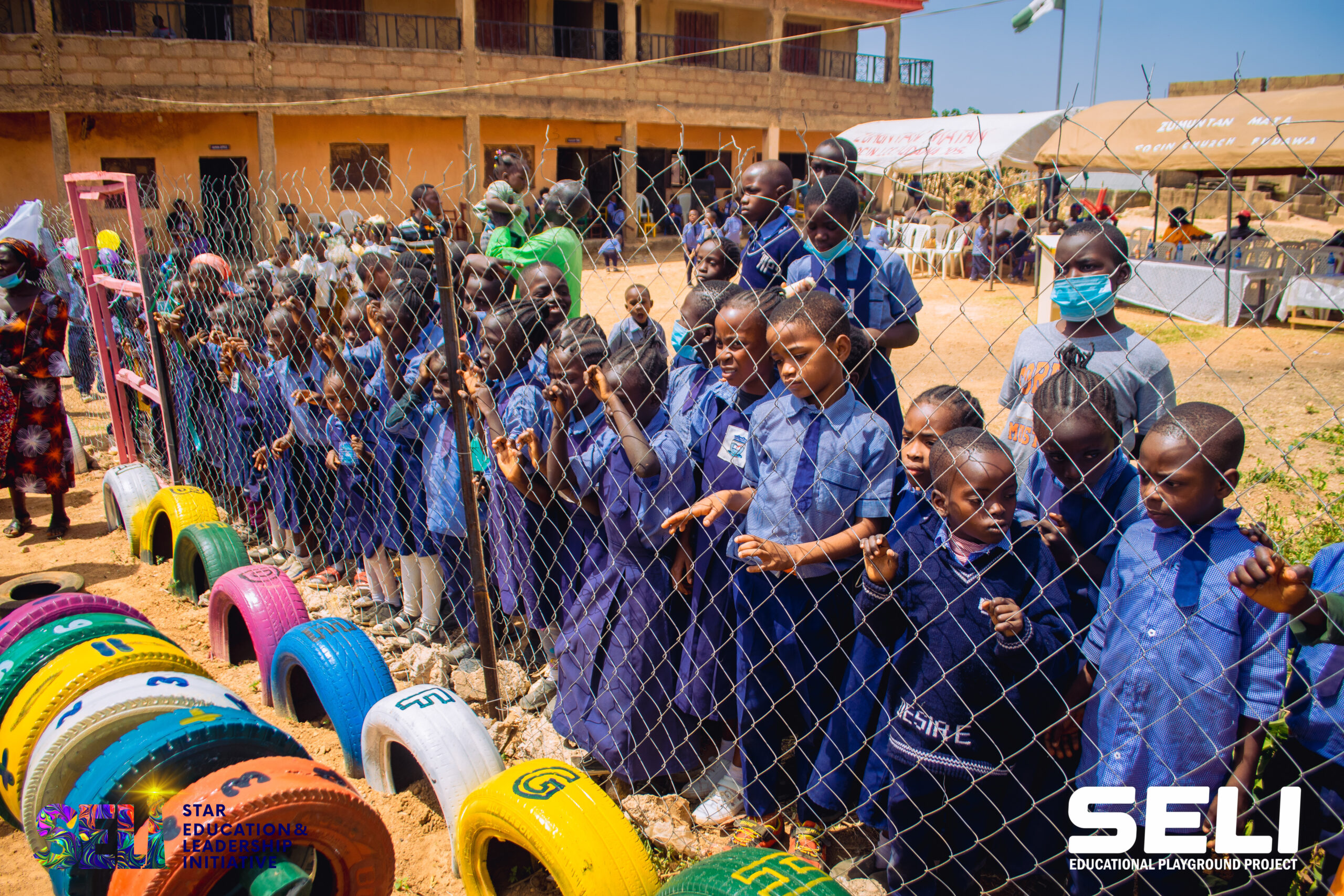
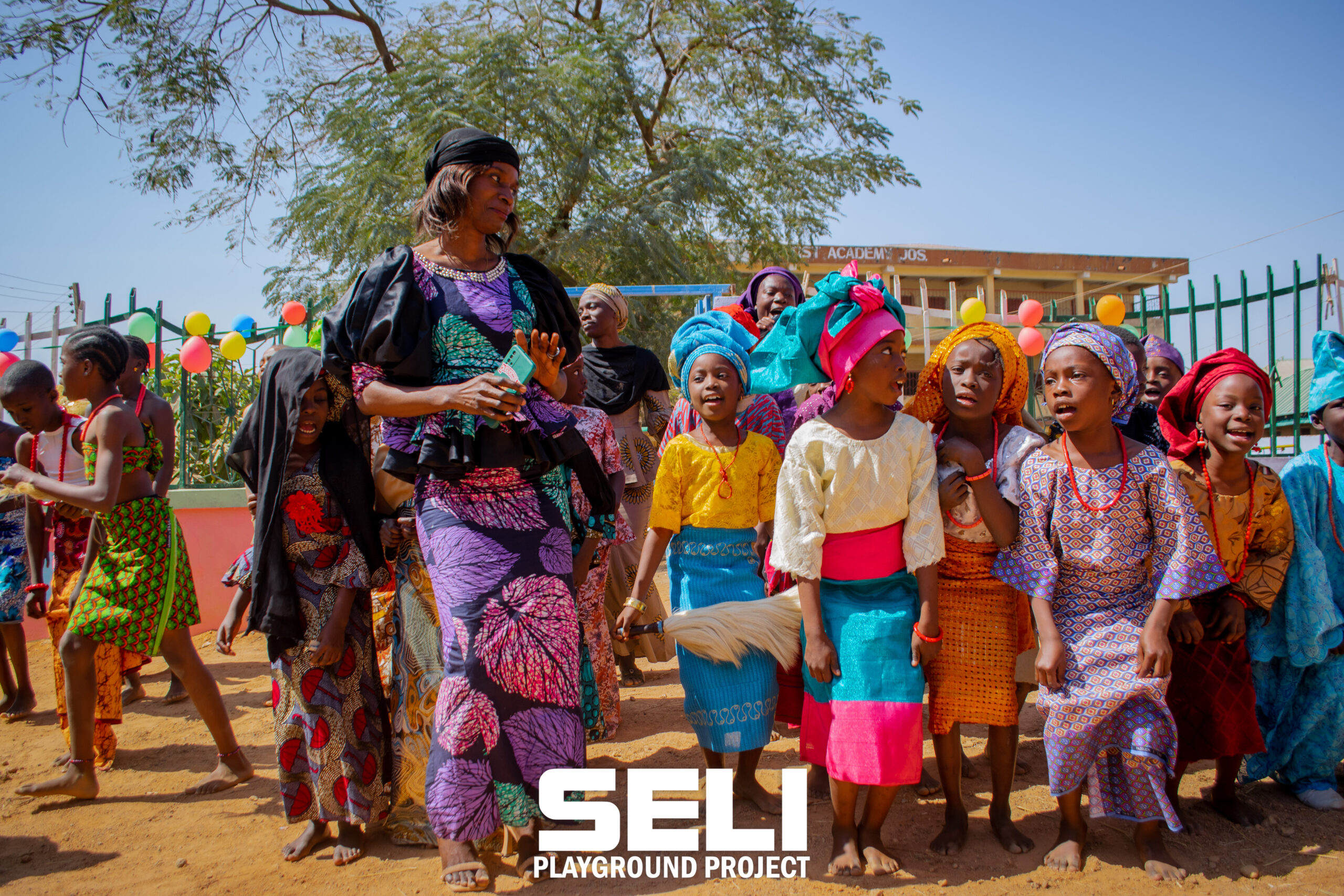
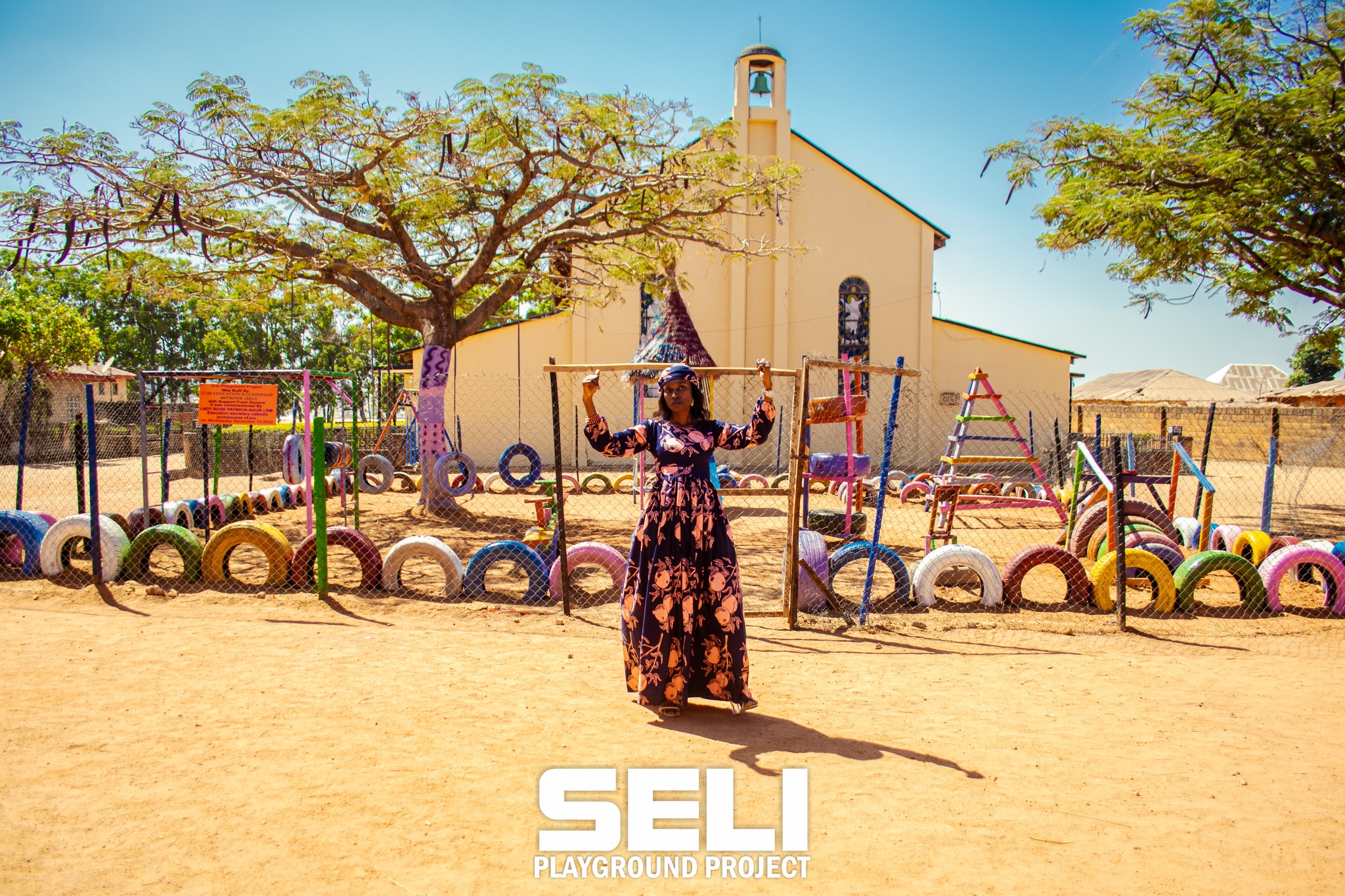
This is why at SELI, we are committed to creating spaces where play is valued as a powerful tool for education. Every educational playground we design and build reminds us that when children play, they learn, grow, and thrive.
Yours in Play,
…
Don’t forget—I’m always rooting for you.
Salt. Light. Door.